
How I Keep Track of a Chaotic DeFi Portfolio (And Why Multi‑Chain Wallets Matter)
How I Keep Track of a Chaotic DeFi Portfolio (And Why Multi‑Chain Wallets Matter)


Whoa, this caught me. My first crypto portfolio was a mess. I remember toggling between nine tabs and losing track of two airdrops. It felt like juggling flaming tacos while on a subway platform—exciting, but risky. Initially I thought a single spreadsheet would save me, but then realized that DeFi moves faster than any manual ledger could keep up with.
Really? Yes, really. DeFi is not just one protocol anymore; it’s a tangled web across many chains. Most users still try to manage assets chain-by-chain, but that approach fragments visibility and multiplies risk. On one hand you want control and on the other you need consolidated clarity, though actually those goals can be reconciled with the right wallet and tooling.
Okay, so check this out—my instinct said automate the obvious stuff. I set up alerts and used a few trackers. They were fine for balances, but they missed protocol-level nuances. For instance, a stablecoin pool reprice or a subtle gauge weight change can silently affect my effective exposure across chains, and if you don’t simulate transactions ahead of time you can be very very surprised.
Hmm… this part bugs me. Some portfolio trackers show balances but not pending slippage, approvals, or cross‑chain bridge fees. I found myself approving tokens without a clear sense of downstream risk. On reflection I realized the problem was less about data and more about context—how each protocol’s incentives and liquidity profile changed my real holdings.
Here’s the thing. Portfolio tracking is not only about snapshots; it’s about the story those snapshots tell over time. You need historical P&L by chain, by protocol, and by position type. You also need to see gas and bridge costs as part of your trading math because those fees materially affect returns, especially on smaller positions.
Whoa, that sounds like a lot. It is a lot. But multi-chain wallets have matured and can be central to solving this chaos. Tools that simulate transactions before execution and that aggregate positions across chains cut down cognitive load. My favorite workflow now involves building positions in a test simulation, assessing estimated costs, and only then hitting confirm—fewer surprises, fewer regrets.
Seriously? Yes. Simulation matters. Simulations show you slippage, front‑running risk, and approval scope. They can tell you whether a swap will consume most of your slippage budget or whether a bridge will leave you short of gas on the destination chain, which is a delightfully annoying problem. On balance, taking a minute to simulate has saved me both money and time.
My first impression was that any wallet could do this, but that proved wrong. Actually, wait—let me rephrase that: some wallets started adding advanced features, and those are the ones changing my behavior. A multi‑chain wallet that combines transaction simulation with portfolio aggregation makes DeFi feel less chaotic and more like capital allocation.
I’m biased, but user experience matters. A clean UI where you can pivot from a position’s performance chart to the underlying protocol page, and then to a live simulation of an exit trade, is invaluable. It lets you decide on the terms of your exit without mental gymnastics. (Oh, and by the way… good mobile support is nonnegotiable in 2026.)
Initially I thought security would be the tradeoff for convenience. Then I started vetting wallets with both curios and skepticism. Security comes from a few orthogonal practices: noncustodial key control, hardware-signing support, and granular permission management so approvals are narrow and revokable. On one hand convenience can erode safety, though actually combining careful UX with robust security reduces that tension.
Why multi-chain portfolio tracking changes the game (and where rabby wallet fits)
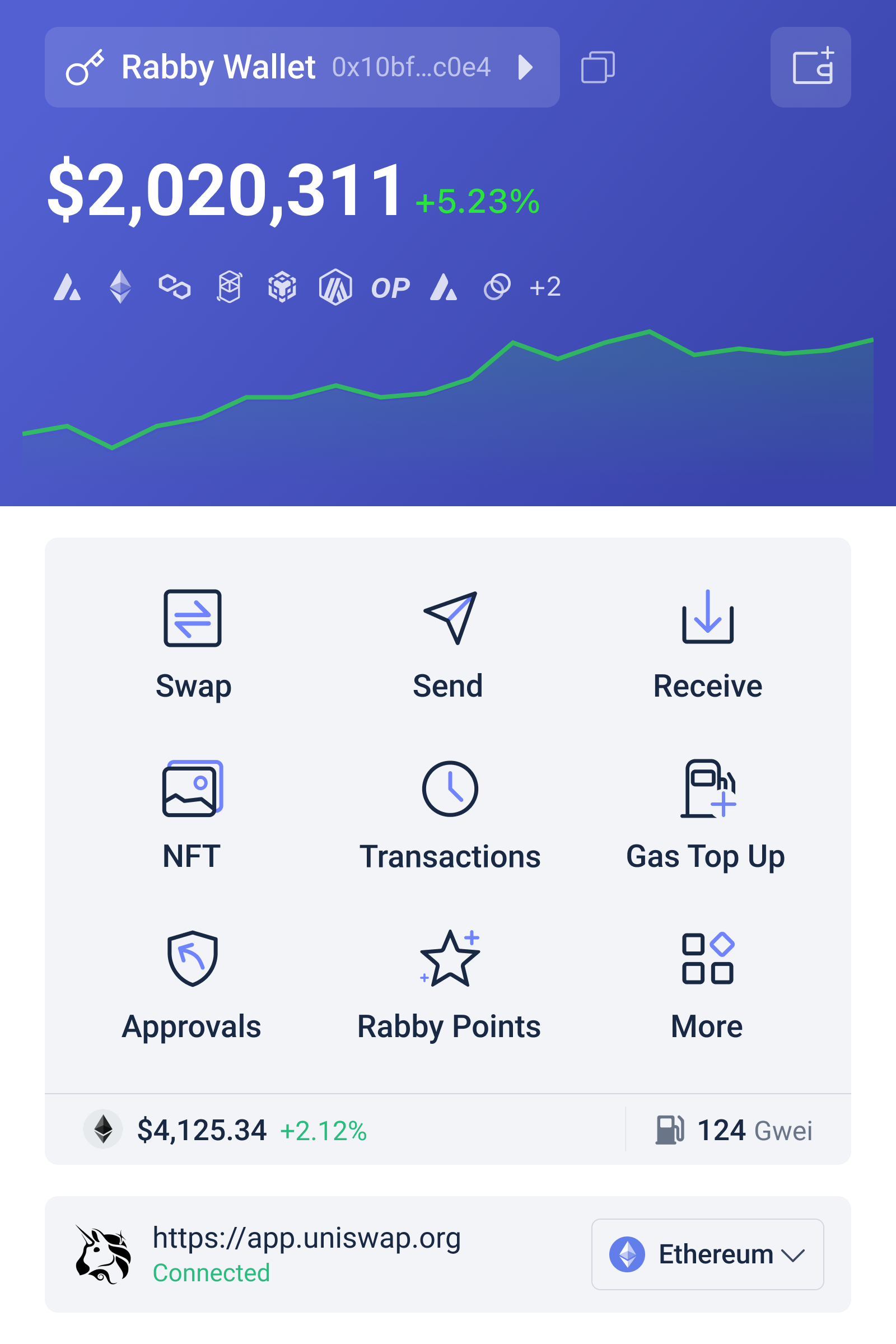
Okay, quick story—last year I was migrating liquidity between two DEXes on different chains. I almost bridged at the wrong time and would have eaten nearly 20% of expected gains to fees and slippage. Wow. My instinct saved me because I simulated the full flow ahead of time; the simulation flagged a sequence that required an extra approval on the destination chain that I’d forgotten about. I’m not 100% sure every tool would have caught that. I used rabby wallet as part of that workflow because it combines simulation, multi‑chain visibility, and permission management in a way that plugged into my existing routine. It didn’t feel like a sales pitch; it felt like practicality.
On the surface, trackers that pull balances from RPC calls are useful. But DeFi requires more: you need to attach semantics to balances. Which tokens are locked in staking contracts? Which are being farmed? Which positions have vesting cliffs? When those semantics are visible you can prioritize actions—harvest, rebalance, or exit—based on opportunity, not FOMO.
Something felt off when I realized most dashboards don’t show counterparty or protocol risk. For example, a protocol may reweight emissions to favor LPs on a particular chain, and that reweighting can make a farm suddenly much less attractive even though your token balances look fine. Tracking effective yield, not just nominal APY, matters. You have to think like a strategist and also like a cautious treasurer.
On one hand I love yield farming; on the other, impermanent loss still haunts me. Initially I chased yield across five protocols, and then a market dip trimmed my positions much more than I expected. The lesson: track exposure, not just balances. Effective exposure is a function of token weight, correlation to base assets, and liquidity depth. When you add multi-chain exposure, correlation assumptions can break in weird ways.
Here’s the thing—tax and accounting considerations are also easier with a true multi‑chain view. If your tracker timestamps cross‑chain swaps, bridges, and contract interactions, it becomes much simpler to generate accurate cost basis reports. This is boring but important, especially for folks who trade frequently and need to document gains for the IRS.
So how do you pick tools? Start with these priorities: noncustodial key control, multi‑chain aggregation, transaction simulation, and permission management. Then layer in convenience features: notifications, mobile parity, and exportable reports. My process is a shortlist of five checks and I run them every time I consider a new wallet or tracker.
I’m not evangelical about any single tool. I test, I break things intentionally in a sandbox, and I learn. Sometimes somethin’ unexpected pops up and forces me to change course. But having a baseline workflow where portfolio tracking, DeFi protocol insight, and multi‑chain execution live in one place reduces the probability of costly mistakes.
Now for a few practical tips I use daily. First, always simulate major transactions. Second, use hardware signing for large positions. Third, revoke unused approvals monthly—there are easy tools for that. Fourth, price your exit including bridge fees. Fifth, keep a small gas reserve on destination chains to avoid stuck positions that cost time and capital.
FAQ: Quick answers to common portfolio tracking questions
How often should I reconcile my cross‑chain portfolio?
Weekly is fine for most holders. Active traders should reconcile daily. If you run automated strategies, consider real‑time monitors and alerts so you don’t miss parameter changes or oracle updates.
Do I need multiple wallets for different chains?
Not necessarily. A single multi‑chain wallet can manage keys across chains, but isolate high‑risk strategies into different addresses when possible so a compromised key doesn’t blow up your entire book.
What’s the single best habit for safer DeFi participation?
Simulate before you sign. Seriously—simulate everything that moves significant value. It takes a minute and protects you from many subtle execution risks.


